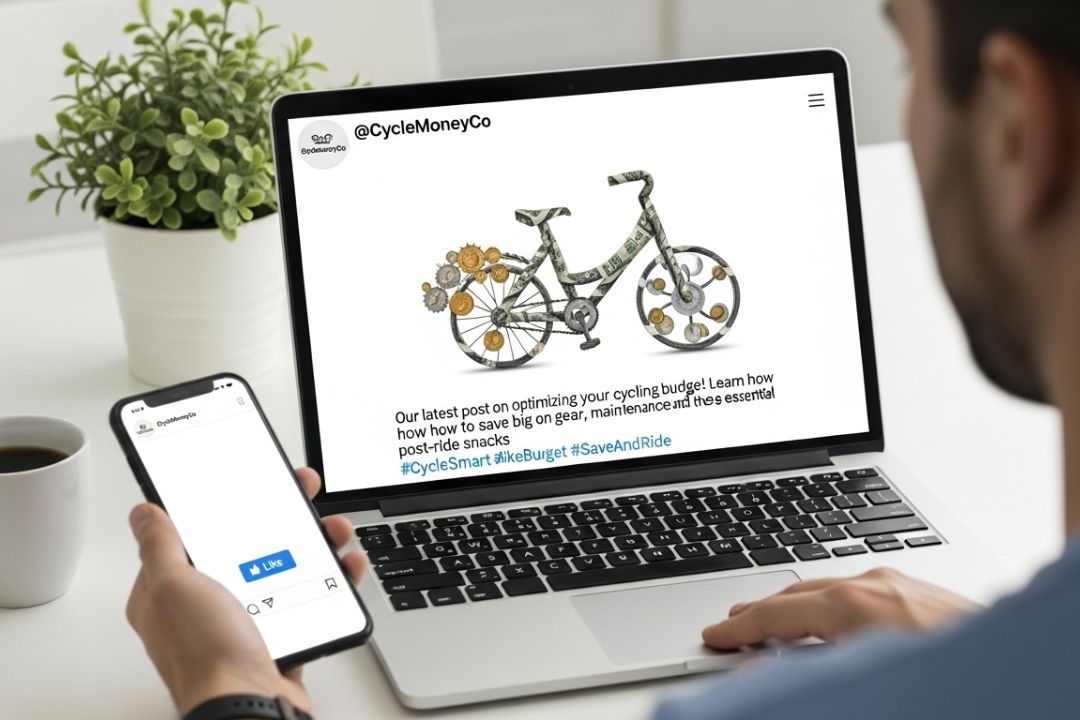
Latest Post on CycleMoneyCo: Updates Insights & Financial Trends
The financial landscape is constantly evolving, and staying informed about the latest developments can make the difference between financial success and missed opportunities. CycleMoneyCo has emerged as a trusted resource for individuals seeking actionable insights into money management, investment strategies, and economic trends. The latest post on CycleMoneyCo delivers fresh perspectives that resonate with both seasoned investors and those just beginning their financial journey.
Understanding what makes these updates valuable requires looking beyond surface-level advice. Each publication from this platform addresses real-world challenges that everyday people face when managing their finances. From navigating market volatility to optimizing savings strategies, the content bridges the gap between complex financial concepts and practical application.
This comprehensive guide explores the most recent insights shared through CycleMoneyCo’s platform, breaking down key themes, actionable strategies, and emerging trends that can transform your approach to personal finance. Whether you’re interested in building wealth, reducing debt, or simply making smarter money decisions, the information presented here will equip you with knowledge that matters.
Why the Latest Post on CycleMoneyCo Matters for Your Financial Future
Financial literacy isn’t just about understanding numbers—it’s about making informed decisions that align with your goals and circumstances. The recent content published by CycleMoneyCo addresses this fundamental need by focusing on practical wisdom rather than theoretical concepts that don’t translate to real life.
Recent updates have highlighted several critical areas that deserve attention. Market conditions continue to shift in response to economic policies, inflation rates, and global events. Having access to timely analysis helps individuals adjust their strategies accordingly. The platform’s commitment to delivering current information ensures readers aren’t relying on outdated advice that could potentially harm their financial wellbeing.
What sets these posts apart is the emphasis on accessibility. Financial jargon can be intimidating, creating barriers between people and the knowledge they need. By presenting information in straightforward language, CycleMoneyCo removes these obstacles and empowers readers to take control of their financial destiny.
Key Themes Explored in Recent CycleMoneyCo Publications
Investment Diversification Strategies
One of the strongest themes emerging from recent content involves diversification—spreading investments across different asset classes to minimize risk. This isn’t a new concept, but the approach has been refined to address current market realities.
The traditional 60/40 portfolio split between stocks and bonds no longer serves everyone’s needs in today’s environment. Alternative investments such as real estate investment trusts, commodities, and even digital assets have gained prominence. The latest post on CycleMoneyCo examines how to balance these options based on individual risk tolerance and time horizons.
Consider the example of Sarah, a 35-year-old marketing professional who previously kept all her savings in a standard savings account earning minimal interest. After implementing diversification strategies outlined in CycleMoneyCo’s guidance, she allocated portions of her portfolio to:
- Index funds tracking major market indices
- Bond ETFs for stability
- A small percentage in growth stocks
- Real estate through REITs
Within eighteen months, Sarah’s portfolio showed measurable growth that significantly outpaced her previous savings account returns, demonstrating the practical value of diversification.
Debt Management and Elimination Techniques
Debt remains one of the most significant obstacles to financial freedom for millions of people. Recent posts have tackled this challenge head-on with strategies that go beyond the basic “pay more than the minimum” advice.
The debt avalanche and debt snowball methods both receive attention, but the content emphasizes choosing the approach that matches your psychological makeup. Some people need the motivational boost of paying off smaller debts first (snowball method), while others prefer the mathematical efficiency of targeting high-interest debts (avalanche method).
Statistics reveal the scope of this issue. According to recent financial data, the average American carries approximately $90,000 in total debt when including mortgages, student loans, auto loans, and credit cards. Breaking free from this burden requires both strategy and consistency.
Building Multiple Income Streams
Economic uncertainty has made relying on a single income source increasingly risky. The latest post on CycleMoneyCo explores practical ways to develop additional revenue channels without requiring massive upfront investments or specialized skills.
Popular side income opportunities discussed include:
- Freelance consulting in your professional field
- Creating and selling digital products
- Rental income from property or equipment
- Affiliate marketing through content creation
- Part-time remote work in the gig economy
James, a software engineer, applied these principles by starting a weekend consulting practice. What began as a few hours of work monthly eventually generated an additional $2,000 per month, money he channeled directly into investments and emergency savings.
Practical Money Management Tips from CycleMoneyCo
Emergency Fund Essentials
Financial experts consistently recommend maintaining an emergency fund, yet many people struggle to build and maintain one. Recent guidance emphasizes starting small rather than feeling paralyzed by the traditional “six months of expenses” recommendation.
Begin with a goal of $1,000—an amount sufficient to cover most unexpected car repairs, medical bills, or urgent home maintenance. Once achieved, gradually increase the target to one month of expenses, then three months, and eventually six months or more depending on your employment stability and family situation.
The psychological benefit of having this cushion cannot be overstated. It reduces stress, prevents the need to rely on high-interest credit cards during emergencies, and provides breathing room to make better financial decisions.
Smart Budgeting Without Feeling Restricted
Budgets often carry negative connotations because they feel restrictive. The latest post on CycleMoneyCo reframes budgeting as a tool for empowerment rather than limitation. When you know exactly where your money goes, you gain the freedom to spend intentionally on what truly matters while cutting expenses that don’t add value.
The 50/30/20 budgeting framework receives particular attention:
- 50% of income toward needs (housing, food, utilities, transportation)
- 30% toward wants (entertainment, dining out, hobbies)
- 20% toward savings and debt repayment
This flexible structure accommodates different lifestyles while ensuring financial priorities remain in focus. Technology has made tracking easier than ever, with numerous apps that automatically categorize spending and provide visual representations of financial habits.
Maximizing Retirement Contributions
Retirement planning represents another critical focus area. With pension plans becoming increasingly rare, individuals bear more responsibility for securing their financial future. The content emphasizes taking full advantage of employer matching programs—essentially free money that too many people leave on the table.
For those with access to a 401(k) match, contributing at least enough to capture the full employer contribution should be a top priority. If your employer matches 5% of your salary, failing to contribute that amount is equivalent to giving yourself a voluntary pay cut.
Beyond employer plans, Individual Retirement Accounts (IRAs) offer tax advantages that can significantly impact long-term wealth accumulation. Understanding the difference between traditional and Roth IRAs helps determine which option aligns better with your current tax situation and retirement goals.
Understanding Economic Trends Through CycleMoneyCo’s Lens
Inflation and Its Impact on Personal Finances
Inflation has dominated economic discussions in recent years, affecting everything from grocery bills to housing costs. The latest post on CycleMoneyCo breaks down this complex topic into understandable concepts that reveal how inflation erodes purchasing power and what individuals can do to protect themselves.
When prices rise faster than wages, each dollar buys less than it did previously. This reality makes investing even more crucial—money sitting idle in low-interest accounts actually loses value over time in real terms. Strategic investing that outpaces inflation becomes a defensive necessity rather than an optional wealth-building strategy.
Historical data shows that diversified investment portfolios have historically outpaced inflation over extended periods, though past performance never guarantees future results. Understanding this dynamic helps explain why financial advisors consistently recommend keeping only emergency funds in savings accounts while investing the remainder for growth.
Interest Rate Changes and Your Money
Federal Reserve policy decisions regarding interest rates ripple through the entire economy, affecting mortgages, credit cards, savings accounts, and investment returns. Recent content has demystified these connections, helping readers understand how seemingly distant policy decisions impact their daily financial lives.
When interest rates rise, borrowing becomes more expensive but savings accounts and bonds offer better returns. Conversely, falling rates make borrowing cheaper but reduce returns on conservative investments. The latest post on CycleMoneyCo provides guidance on adjusting strategies based on the current rate environment.
For instance, in a rising rate environment, it might make sense to:
- Lock in fixed-rate mortgages before rates climb further
- Pay down variable-rate debt more aggressively
- Consider shorter-term bonds that can be reinvested at higher rates
- Shop around for high-yield savings accounts offering competitive rates
Technology and Personal Finance Innovation
Digital Banking and Financial Apps
The financial technology revolution has transformed how people manage money. Traditional banking limitations have given way to digital-first platforms offering better rates, lower fees, and enhanced convenience. CycleMoneyCo’s recent coverage explores these innovations and helps readers navigate the expanding options.
Online banks typically offer higher interest rates on savings accounts because they lack the overhead costs of maintaining physical branches. These institutions are FDIC-insured just like traditional banks, providing the same level of security while delivering better returns on deposits.
Budgeting apps have evolved from simple expense trackers to comprehensive financial management tools. Features now include automatic categorization, bill payment reminders, credit score monitoring, and investment tracking—all accessible from smartphones.
Cryptocurrency and Alternative Assets
While traditional investments remain the foundation of most portfolios, alternative assets have gained mainstream attention. The latest post on CycleMoneyCo approaches cryptocurrency and similar investments with balanced perspective—acknowledging both the potential and the risks.
These assets shouldn’t comprise the majority of anyone’s portfolio, particularly for those with low risk tolerance or short time horizons. However, allocating a small percentage (typically 5% or less) to emerging asset classes might offer diversification benefits for those comfortable with significant volatility.
Education remains crucial before venturing into these areas. Understanding blockchain technology, market dynamics, and regulatory considerations helps prevent costly mistakes driven by hype rather than informed decision-making.
Building Wealth Through Real Estate Insights
Property investment continues generating interest as a wealth-building strategy, and recent CycleMoneyCo content addresses both opportunities and challenges in this space. Real estate offers unique advantages including potential appreciation, rental income, tax benefits, and inflation protection.
However, successful property investment requires more than simply buying and hoping for appreciation. Location analysis, understanding market cycles, calculating cash flow accurately, and maintaining properties all demand time, knowledge, and capital. The content provides realistic assessments that help readers determine whether real estate investing aligns with their resources and goals.
Real estate investment trusts (REITs) offer an alternative for those wanting property exposure without the responsibilities of direct ownership. These publicly-traded companies own and manage income-producing properties, distributing most profits to shareholders as dividends. This approach provides liquidity and diversification that individual property ownership cannot match.
Tax Optimization Strategies for Every Income Level
Taxes represent one of the largest expenses most people face, yet many overlook opportunities to reduce their burden legally. The latest post on CycleMoneyCo explores strategies accessible to everyday earners, not just the wealthy.
Key approaches include:
- Maximizing deductions through itemization when beneficial
- Contributing to tax-advantaged retirement accounts
- Utilizing health savings accounts (HSAs) for triple tax benefits
- Timing income and deductions strategically
- Taking advantage of tax credits for education, child care, and energy improvements
Working with a qualified tax professional often pays for itself through identified savings and avoided mistakes. The investment in professional guidance typically returns multiples of its cost, particularly as financial situations become more complex.
Financial Education for the Next Generation
Teaching children and young adults about money represents an investment in future financial health. Recent content emphasizes that financial education shouldn’t wait until adulthood—basic concepts can and should be introduced early through age-appropriate methods.
Younger children benefit from learning about earning through chores, saving toward goals, and distinguishing between needs and wants. Teenagers can grasp more sophisticated concepts including compound interest, basic investing principles, and the true cost of debt. The latest post on CycleMoneyCo provides frameworks parents and educators can adapt to different age groups and learning styles.
Research consistently shows that financial literacy correlates with better money management throughout life. Those who receive early education tend to save more, carry less debt, and make more informed decisions about major purchases and investments.
Overcoming Common Financial Mistakes
Everyone makes money mistakes, but learning from both personal errors and others’ experiences helps avoid repeating them. CycleMoneyCo’s recent posts candidly address frequent pitfalls that derail financial progress.
Common mistakes include:
- Lifestyle inflation (spending increases matching or exceeding income growth)
- Neglecting insurance needs until disaster strikes
- Making emotional investment decisions based on fear or greed
- Failing to automate savings and investments
- Ignoring small recurring expenses that compound over time
Rachel’s story illustrates the lifestyle inflation trap. After receiving a 20% raise, she upgraded her apartment, purchased a new car, and increased discretionary spending. Despite earning significantly more, she saved less than before the raise because expenses consumed the additional income. Recognizing this pattern allowed her to adjust and direct future increases toward financial goals rather than lifestyle expansion.
Conclusion: Taking Action on Financial Knowledge
The journey toward financial security doesn’t require perfect decisions—it requires consistent progress in the right direction. The latest post on CycleMoneyCo emphasizes that knowledge without action remains merely potential. The strategies, insights, and guidance discussed throughout this article provide a roadmap, but you must take the steps yourself.
Start where you are with what you have. Perhaps that means setting up automatic transfers to a savings account, researching investment options for your workplace retirement plan, or simply tracking expenses for one month to understand current patterns. Small actions compound over time, creating momentum that makes each subsequent step easier.
Financial freedom means different things to different people—retiring early, eliminating debt, funding your children’s education, or simply sleeping better knowing you’re prepared for emergencies. Whatever your specific goals, the principles explored here provide foundational knowledge for achieving them.
Remember that personal finance is exactly that—personal. Strategies that work brilliantly for one person might not suit your circumstances, risk tolerance, or values. The latest post on CycleMoneyCo encourages thoughtful evaluation of how general principles apply to your unique situation rather than blindly following generic advice.
Take time today to identify one specific area where you can improve your financial situation. Read more comprehensive resources, consider consulting with qualified professionals, and commit to continuous learning. Your future self will thank you for the attention and effort you invest now in building financial knowledge and security.